Tennessee Land Expert
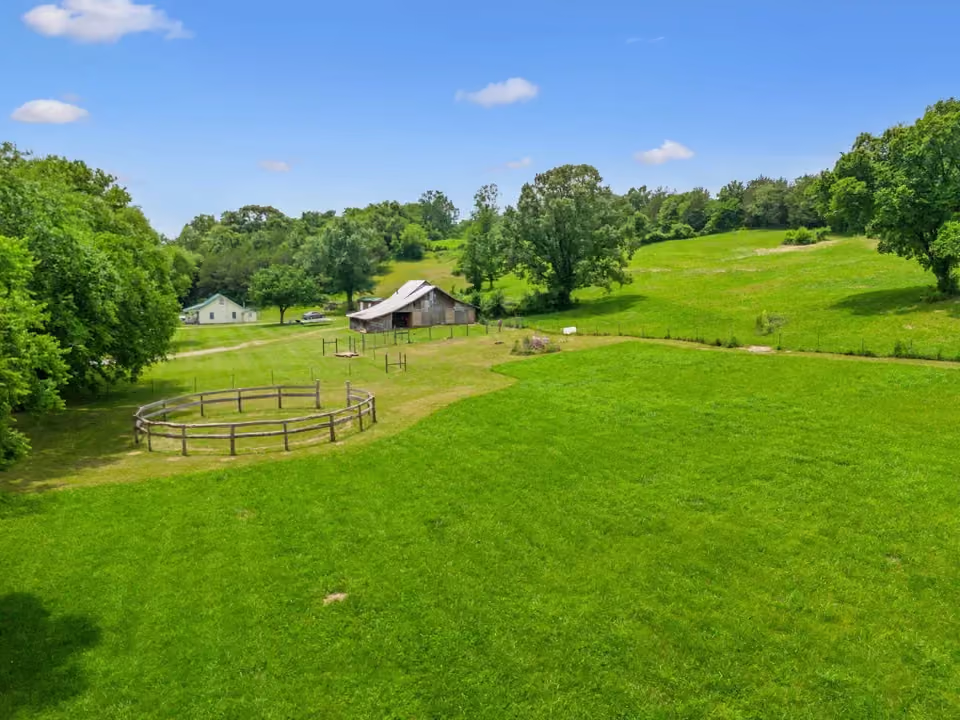
Horse Property
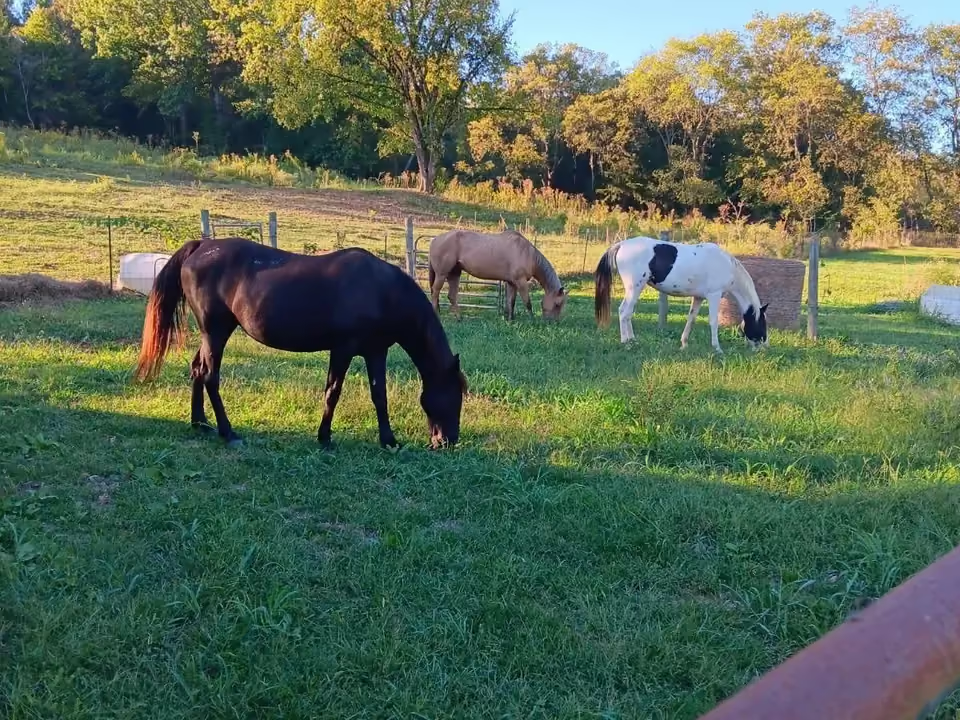
Horse property in Middle Tennessee ranges from turnkey equestrian estates in Williamson County to working farms with pasture, barns, and fenced acreage across the region's rural corridors. Regardless of scale, every horse property purchase comes down to whether the land and infrastructure can actually support equine use — not just today, but long-term.
Paul Morrison evaluates horse properties on the variables that matter to buyers who will be keeping animals on the ground: pasture quality and carrying capacity, water access, fencing condition, barn and shelter infrastructure, footing and drainage, road access for trailers and equipment, and the surrounding land use that affects daily operations. Whether a buyer is searching for a small acreage homestead with room for a few horses or a full-scale equestrian facility with arenas and trail access, Paul ensures the property is evaluated for function, not just appearance.
Featured Tennessee Land For Sale
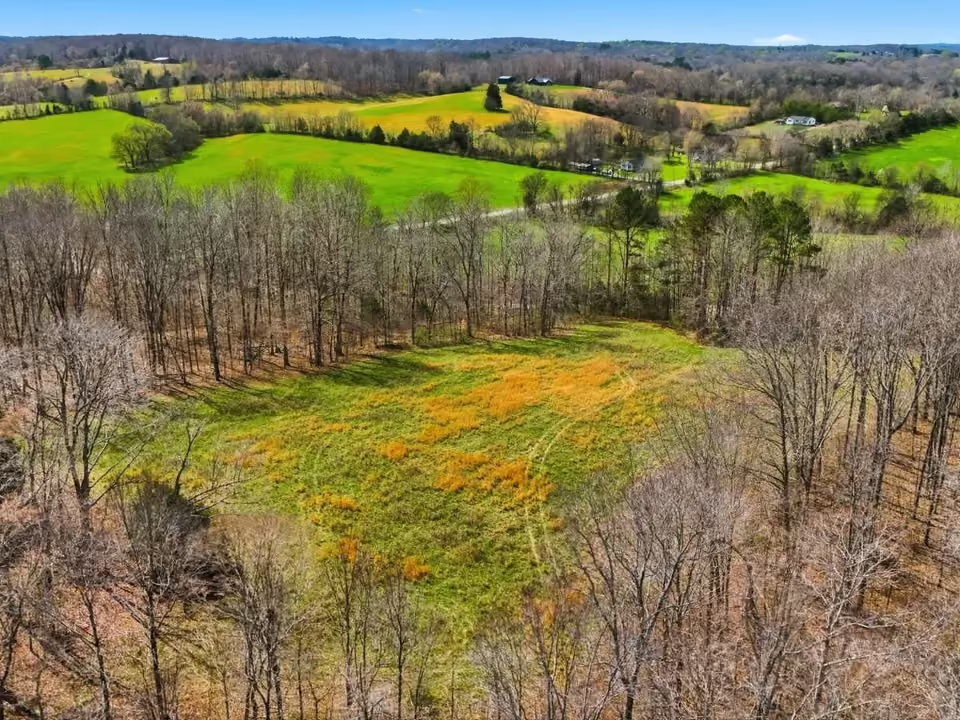
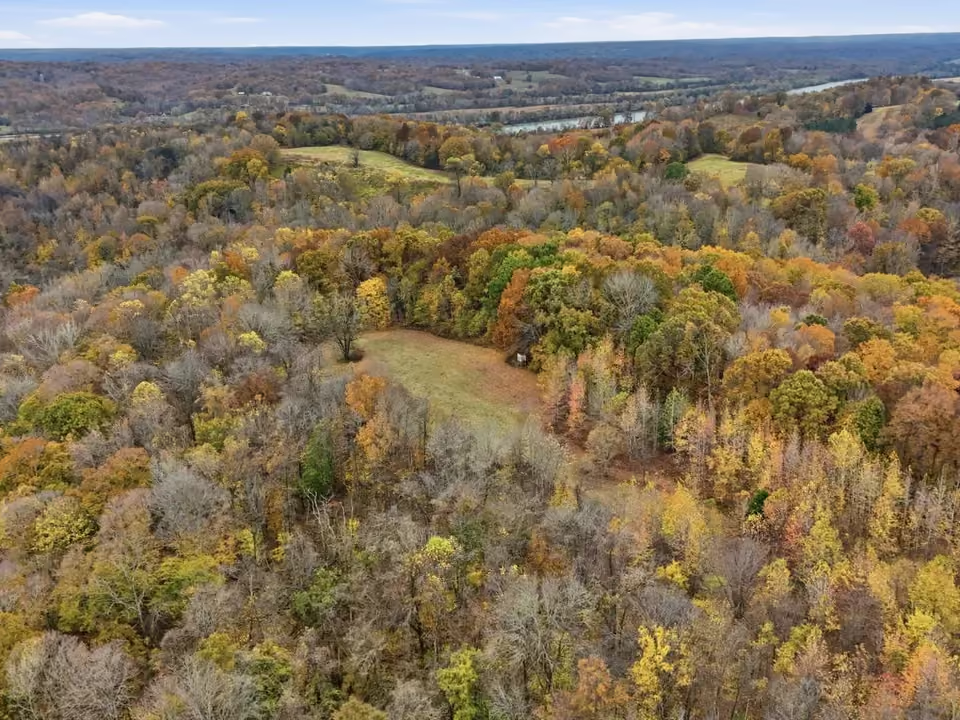
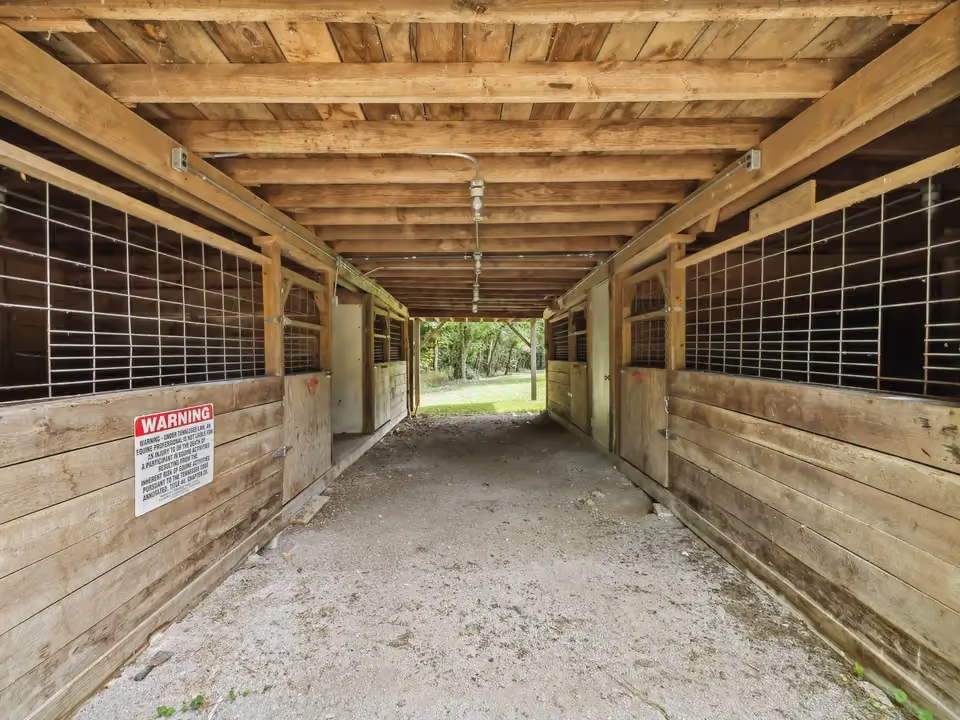
What Separates a Horse Property From a Property With Horses
Not every rural property with a barn and a fence is a horse property. The distinction matters because retrofitting land for equine use is expensive, and buyers who purchase based on listing photos rather than land evaluation often discover the gap between what a property looks like and what it costs to make it functional. Pasture is the foundation — soil type, grass species, drainage, and acreage per horse determine whether the land can sustain animals without constant supplementation. Water infrastructure — wells, automatic waterers, pond access, and creek availability — must be reliable year-round and accessible from every paddock and turnout area. Fencing varies widely in quality and suitability; what works for cattle does not always work for horses, and replacement costs on a 20-acre property add up quickly. Barn condition, stall count, ventilation, and storage capacity affect daily management, while arena footing, round pen infrastructure, and access to riding trails distinguish a recreational horse property from a serious training or competition facility.
Williamson County and the corridors south of Nashville have long been home to some of Middle Tennessee's most established equestrian communities, but strong horse properties also exist throughout Rutherford, Maury, and Marshall Counties at more accessible price points. Paul helps buyers evaluate the full scope of what a horse property demands and helps sellers present their equestrian infrastructure as the asset it is — with the specificity that serious horse buyers expect before scheduling a visit.
Let's talk about your land
Whether you're buying your first hunting tract or ready to move generations of family land, the conversation starts with a phone call.